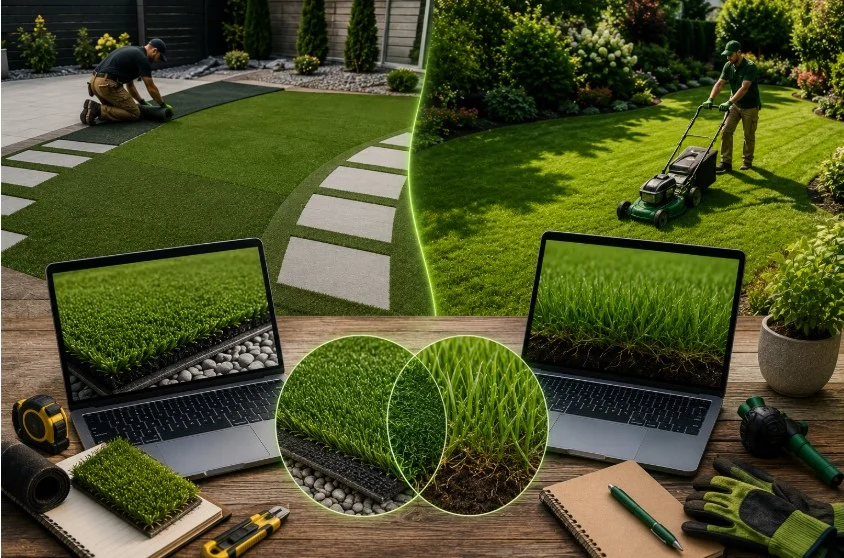
Search Engine Optimization (SEO) is a critical component of digital marketing for specialized sectors such as artificial grass installation and lawn care. Distinct SEO approaches affect visibility, customer engagement, and business outcomes. This article examines keyword optimization, content development, and local customer targeting tailored to each industry and highlights the tactics that convert traffic into measurable leads.
Businesses frequently struggle to differentiate their services online in competitive markets. By adopting targeted local SEO practices and producing high-quality, relevant content, organizations can engage priority audiences more effectively. This article outlines essential SEO strategies for artificial grass installers and lawn care companies, comparing industry specialization, local SEO, and content creation. It also describes how Artificial Grass Marketing’s solutions can support improved SEO outcomes for turf-related businesses.
Keyword Optimization
Keyword optimization is a foundational SEO activity and differs between artificial grass installers and lawn care providers. Each business must select terms that align with searcher intent and local relevance to maximize qualified traffic and conversion potential.
Artificial Grass Installers
Installers should prioritize long-tail queries specific to installation services, for example, “artificial grass installation near me” or “synthetic turf installation services.” Targeted phrases capture high-intent searches and improve performance in local results. Emphasizing service-area terminology increases relevance for prospective customers.
Lawn Care Companies
Lawn care companies benefit from broader service-oriented keywords combined with seasonal terms such as “lawn maintenance services,” “weed control tips,” and “seasonal lawn care.” Producing locally focused content tied to community events or promotions increases the likelihood of appearing in search results for nearby customers seeking services.
Content Creation
High-quality content establishes authority and engages prospective customers. The formats and topics that perform best differ between artificial turf installers and lawn care providers and should reflect distinct user intents.
Artificial Grass Installers
For installers, content should be educational and benefit-focused: installation guides, maintenance recommendations, and localized case studies that demonstrate results. Addressing common customer concerns—such as upkeep and environmental considerations—supports informed decisions and improves conversion rates.
Lawn Care Companies
Lawn care firms should prioritize seasonal guidance, maintenance schedules, and practical how-to content, including videos. Using a mix of blog posts, infographics, and video formats accommodates diverse audience preferences and reinforces the company’s expertise, thereby increasing engagement and repeat visits.
Local Customer Targeting
Local SEO is essential for both artificial grass installers and lawn care companies; however, the tactical emphasis varies according to service type and customer intent.
Artificial Grass Installers
Artificial grass installers should optimize their Google Business Profile and develop dedicated landing pages for specific service areas. Proactive review management is important because verified positive reviews bolster credibility and can improve local search performance.
Lawn Care Companies
Lawn care businesses should emphasize community engagement and use social media to promote local events and build brand awareness. Localized newsletters that provide practical advice can support customer retention and loyalty within the service area.
Recognizing these SEO distinctions is important for firms seeking to improve online visibility for artificial turf services. Organisations can evaluate tailored solutions to attract the right clientele and improve search visibility.
Advanced strategies are necessary to stand out in a competitive market. Artificial Grass Marketing provides tools to automate and optimize SEO workflows. Their AI SEO platform leverages semantic, entity-based keyword research and content strategies tailored to the artificial turf niche to help businesses maintain a competitive position.
Artificial grass installers and lawn care companies both require tailored SEO approaches to reach potential customers effectively. Installers should emphasize niche keyword targeting and educational content; lawn care companies should use broader keywords and community-focused tactics. Applying these distinctions can increase visibility and conversion rates.
What Are the Core SEO Differences Between Artificial Grass Installers and Lawn Care Companies?
The SEO profiles for installers and lawn care firms differ in their target audiences and service scopes. The principal distinction is the use of narrow, local-intent keywords for turf installation versus broader, service-oriented terms for general lawn care, reflecting differing customer needs and search behaviors.
How Does Industry Specialization Affect SEO Keyword Strategies?
Industry specialization determines keyword selection: installers gain from niche terms that attract high-conversion traffic for turf solutions, while lawn care companies should target broader maintenance and service keywords to reach a wider audience.
What Are The Unique Competitor Benchmarking Factors for Turf Installers vs. Lawn Care?
Effective benchmarking requires analysis of competitor keyword strategies and service positioning. For installers, assess specialized offerings, local search visibility, and review engagement. For lawn care firms, monitor seasonal traffic patterns and adjust service menus to match demand.
How Does Local Search Optimization Differ for Artificial Grass Installers vs. Lawn Care Businesses?
Local search optimization differs in emphasis: installers typically need precise local keywords and optimized landing pages to attract targeted prospects, whereas lawn care businesses often rely on seasonal promotions and community activities to generate broader local interest.
Which Local SEO Techniques Best Target Turf Installation Services?
Turf installation providers benefit from creating service-area landing pages to capture local queries. Consistent management of customer reviews is also a key factor in building trust and improving local search rankings.
What SEO Challenges Are Unique to Artificial Turf Businesses in Digital Marketing?
Artificial turf businesses face elevated keyword competition as market participation increases. This saturation complicates ranking for priority phrases and requires strategies that highlight distinct service attributes and competitive advantages.
How Do Semantic Entity Complexities Impact Turf Marketing SEO?
Semantic entity considerations require mapping relevant entities, keywords, and their relationships to improve search visibility. Implementing structured data supports indexing and can improve positioning in search results.
What Role Does AI-Powered SEO Play in Overcoming Turf Industry SEO Challenges?
AI-powered SEO tools automate routine tasks such as keyword research and content optimization, allowing teams to focus on content quality while maintaining a systematic SEO program to increase visibility and conversions.
Which Content Marketing Strategies Optimize SEO for Turf Companies Differently Than Lawn Care Firms?
Turf companies should prioritize educational content and case studies that demonstrate technical value and outcomes. Lawn care firms should focus on practical advice and seasonal guides tailored to broader audiences.
How Does Semantic Content Differ for Artificial Grass Installation vs. Lawn Care Topics?
Semantic content for artificial grass should target installation details and performance benefits, whereas lawn care content should address seasonal care and general maintenance. Aligning topics with user intent improves engagement and search relevance.
What Case Studies Demonstrate Effective SEO Tactics for Turf Installers?
Case studies typically illustrate the impact of local SEO and targeted keyword optimization, showing how focused content and local promotion yield measurable improvements in visibility and lead generation.
How Should Lawn Care Companies Adapt SEO Strategies to Compete in the Turf Installation Market?
Lawn care companies aiming to compete in the turf market should offer specialized services and demonstrate experience in artificial lawn maintenance to signal their capabilities and attract customers seeking turf solutions.
What Are The Checklist Steps for Lawn Care Businesses to Incorporate Turf SEO Best Practices?
- Keyword Identification: Emphasize local, niche-specific keywords for lawn care and turf services.
- Content Creation: Develop educational resources that address common customer queries and concerns.
- Local SEO Enhancement: Optimize Google Business Profiles and create service area pages to boost local visibility.
- Customer Engagement: Foster active engagement through community events and social media initiatives.
Which Metrics and KPIs Best Measure SEO Success Across Lawn Care and Turf Niches?
Relevant KPIs include lead volume, keyword rankings, and ROI from digital marketing efforts. Engagement metrics such as bounce rate and time on site also indicate content effectiveness and guide ongoing optimization.
What Are Effective Structured Data Markup and Semantic SEO Enhancements for Turf and Lawn Care Websites?
Implement schema.org structured data to provide search engines with clear information about services. Proper markup improves the clarity of site content for indexing and can increase the likelihood of higher search visibility.
How to Implement Schema.org Product, Service, and LocalBusiness Markup for Turf Installers?
- Select the Right Schema Type: Identify the most relevant schema types for your services, such as LocalBusiness or Service.
- Create the Markup: Use markup generators to create corresponding JSON-LD or Microdata formats for your website.
- Test and Validate: Use Google’s Structured Data Testing Tool to verify accuracy and compliance.
- Monitor Performance: Track the effectiveness of implemented markup by regular analyzing search engine visibility.
Frequently Asked Questions
What are the key benefits of using local SEO for lawn care businesses?
Local SEO increases a lawn care company’s visibility in nearby searches and connects the business with customers in its service area. Optimizing the Google Business Profile and actively targeting local keywords for immediate services, thereby improving website traffic and conversion likelihood.
How can artificial grass installers improve their content marketing strategies?
Installers should produce informative blog posts, videos, and infographics that explain the benefits of synthetic turf. Publishing case studies of completed projects builds credibility and addresses common concerns about maintenance and environmental impact. Sharing customer content on social platforms extends reach and provides actionable audience insight.
What role do online reviews play in SEO for lawn care companies?
Online reviews are a key factor in local search rankings and customer trust. A consistent flow of positive reviews can improve visibility on platforms like Google and influence customer choice. Responding to reviews demonstrates engagement; a structured process for soliciting and managing feedback protects and enhances reputation.
How important is mobile optimization for turf and lawn care websites?
Mobile optimization is essential because many users search for services on mobile devices. Responsive design ensures sites are usable across screen sizes and supports better performance in local search results. Prioritizing mobile usability reduces bounce rates and improves conversion metrics.
What specific metrics should turf installers monitor to gauge their SEO success?
Turf installers should track organic traffic, keyword rankings, and conversion rates to measure SEO performance. Monitoring engagement indicators—such as bounce rate and average session duration—reveals content relevance and informs ongoing strategy adjustments.
Can social media presence impact SEO for turf and lawn care businesses?
A well-managed social media presence supports SEO by driving referral traffic and engagement. Social platforms can generate backlinks and user-generated content that indirectly benefit search visibility. Integrating social activity into the broader digital strategy strengthens overall performance.
Conclusion
Tailored SEO strategies increase visibility and connect artificial grass installers and lawn care companies with their target customers. Specific approaches to keyword optimization, content production, and local targeting drive engagement and conversions. Adopt these practices to improve market performance, and consider our expert-lead consultation services to strengthen your online presence.